My research goals are to accelerate the building of climate-proof structures and develop sustainable construction materials that meet the current market need for net-zero construction. Thus, my long-term research vision is to improve community and infrastructure resilience by developing climate-informed structural materials and design methods within UK infrastructure, informed by international collaborations and worldwide advances.
My research focuses on three areas:
Area 1: Structural Fire Safety:
Fire resilience is increasingly urgent to address as the climate emergency worsens. All infrastructure planning must consider climate-related fire. Thus, we must understand how current structures and materials fare when exposed to fire and how we can design structures to perform safely under stressful climate conditions. My current research in this area explores the fire resilience of materials and structures in which they are used.
Examples of my work:
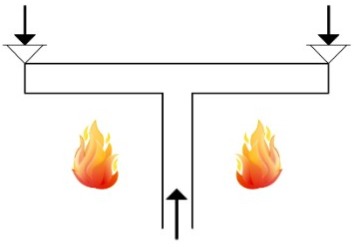
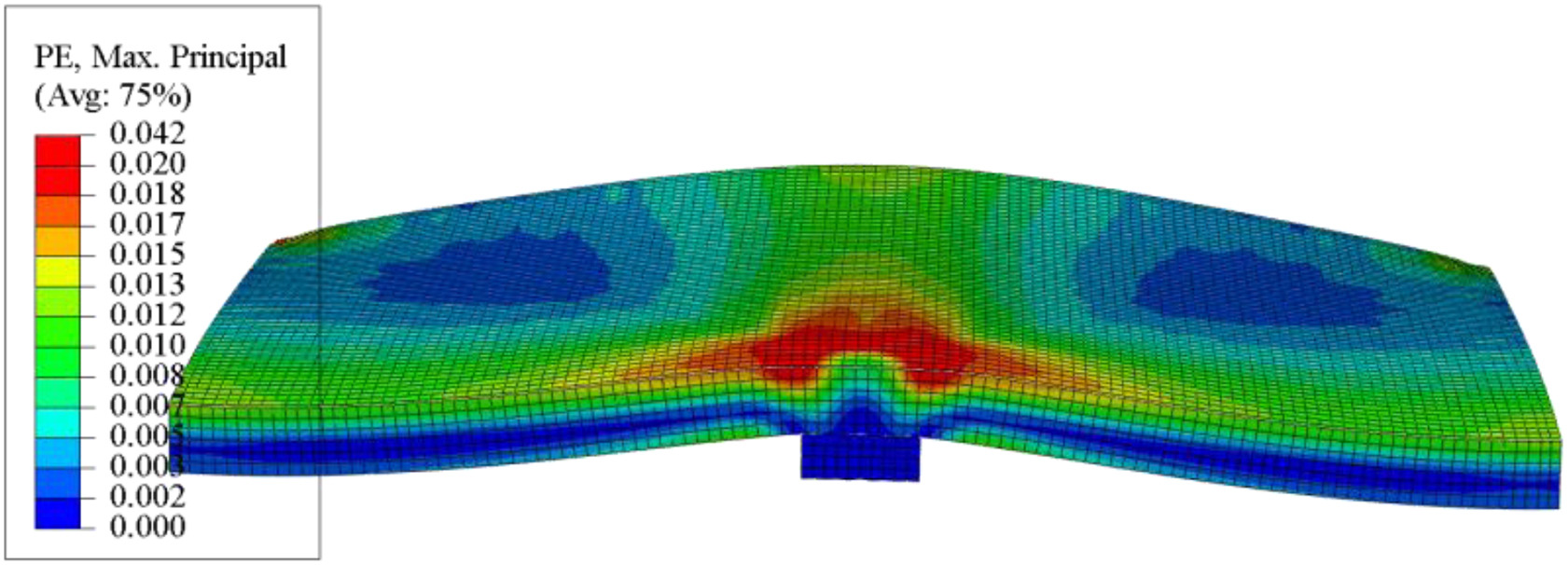
Punching Shear in Fire, you can learn more here: Al-Hamd, R., Gillie, M., Warren, H., Stratford, T., Wang, Y., (2018), The effect of load-induced thermal strain on flat slab behaviour at elevated temperatures. Fire Safety Journal. https://doi.org/10.1016/j.firesaf.2018.02.004
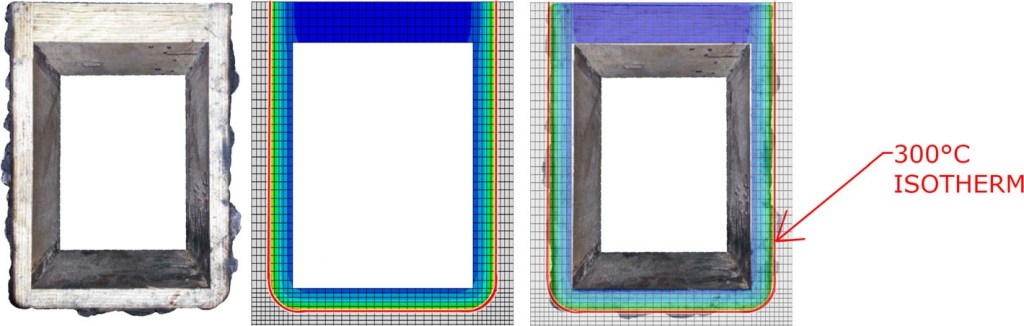
Expermental and numerical modelling of Timber Charring , you can learn more here: Quiquero, H.*, Gales, J., Abu, T., Al-Hamd, R. (2019) Finite element modelling of post-tensioned timber beams in ambient and fire conditions, Fire Technology Journal. https://doi.org/10.1007/s10694-019-00901-0 . This work is a part of YorkU Fire Research Team
Area 2: AI, Machine Learning, and Image Analysis:
Data-driven approaches incorporating artificial intelligence (AI) and machine learning (ML) are becoming increasingly important in civil engineering as they allow engineers to make informed decisions that tackle complex problems by analysing large amounts of data. My research uses data-driven models to predict structural, soil, and hydraulic behaviour parameters that are expensive and challenging to identify experimentally. These problems, such as sheer strength, require investigative methods beyond analytical approaches because the issues addressed are too complex to be derived directly.
Examples of my work:
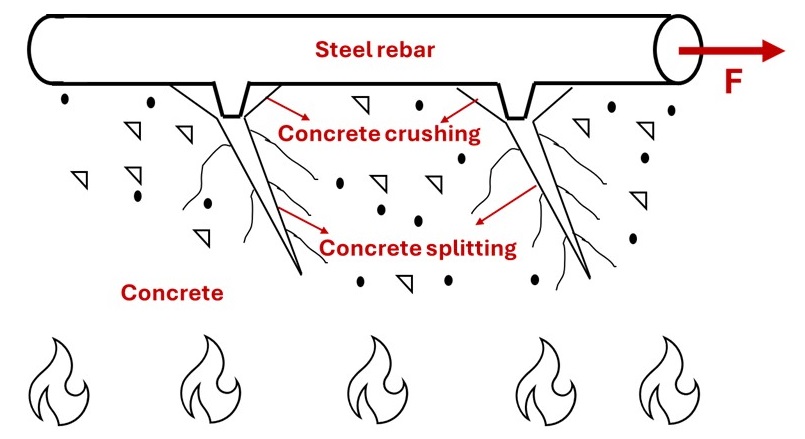
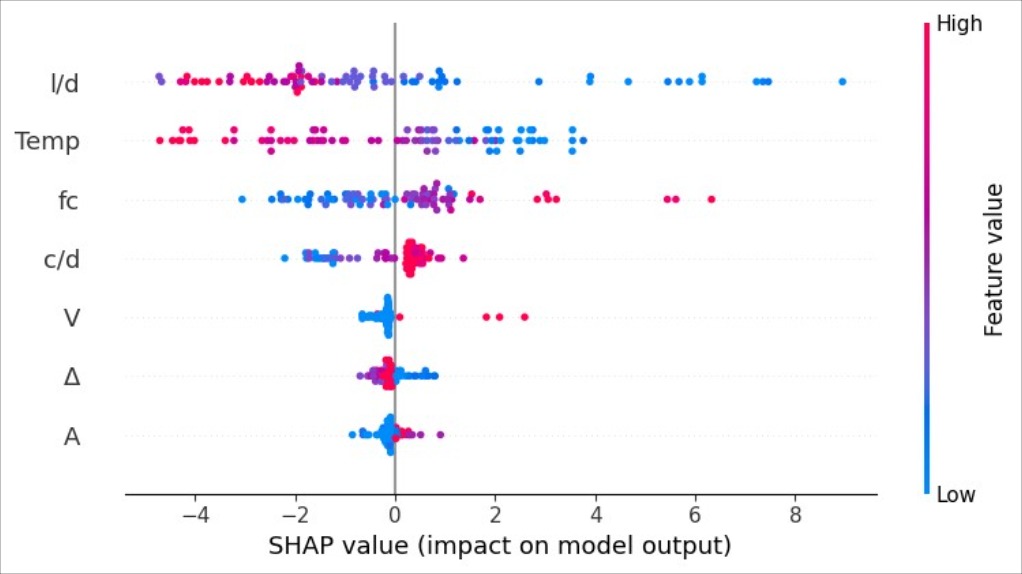
I am looking at using SHapley Additive exPlanations (SHAP) to expand the work I have done on concrete-steel bond in fire, For more info see: Al-Hamd, R., Alzabeebee, S., Cunningham, L. S. & Gales, J., (2022) Bond behaviour of rebar in concrete at elevated temperatures: a soft computing approach, in Fire and Materials. https://doi.org/10.1002/fam.3123
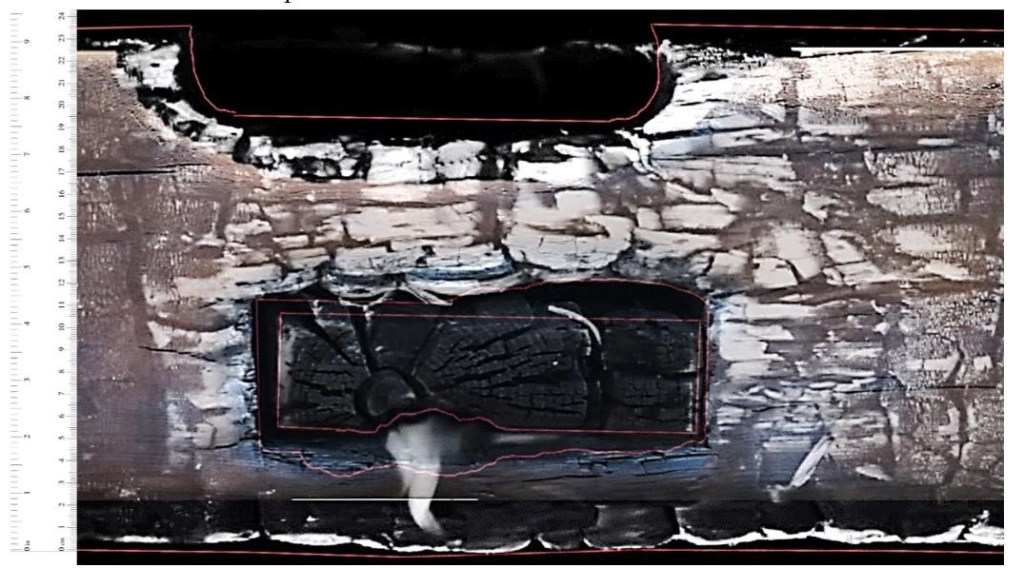
Currently, my PhD investigates the charring rates of heritage timber connections. For more information check, Davidson, A., Philion, E., Mladenova, L., Al-Hamd, R., Weckman, B., and Gales, J. (June 2024) ‘Towards alternative fire design solutions for wood-to-wood connections’, SiF 2024 – The 13th International Conference on Structures in Fire, University of Coimbra, Portugal. This work is a part of YorkU Fire Research Team
Area 3: Green and Sustainable Construction Materials:
Sustainable construction material for both building and pavement is essential in today’s world, as it not only reduces the environmental impact of construction activities but also promotes energy efficiency and resource conservation. The use of recycled components, eco-friendly production processes, and innovative technologies in creating these materials ensures that our future developments are greener. By opting for sustainable alternatives, builders and developers can significantly lower their carbon footprint while enhancing the durability and longevity of structures and surfaces. Additionally, sustainable materials often contribute to improved air quality and overall health in urban environments, making them a crucial choice for modern infrastructure projects.
Examples of my work:
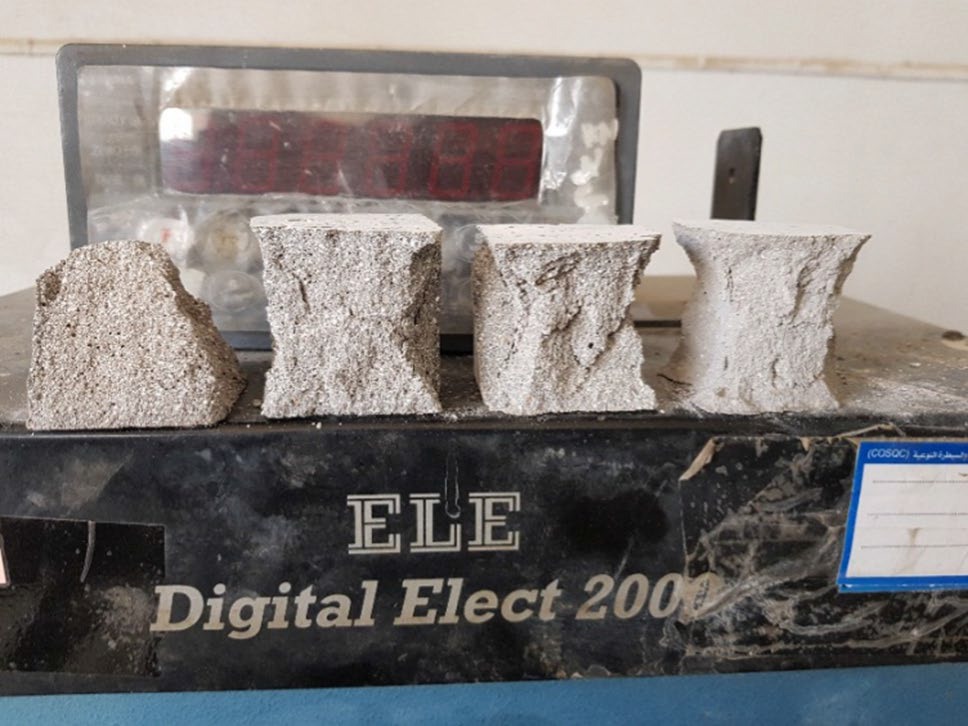
Failure of the specimens after exposure to 500 °C, for more details, see Mohamad, S., Al-Hamd, R., Khaled, T., (2020) Investigating the effect of elevated temperatures on the properties of mortar produced with volcanic ash, Innovative Infrastructure Solutions. https://doi.org/10.1007/s41062-020-0274-4
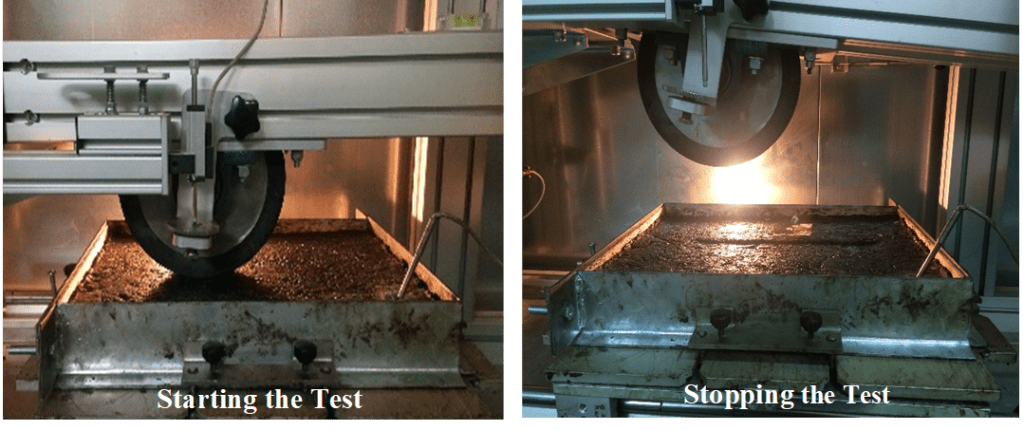
Wheel tracking test processes for modified asphalt mixtures, see more: Khaled, T., Kareem, A., Mohamad, S., Al-Hamd, R., (2024) The performance of modified asphalt mixtures with different lengths of glass fiber, the International Journal of Pavement Research and Technology. https://doi.org/10.1007/s42947-024-00443-x
 Dr Rwayda Al-Hamd,CEng, MIStructE, FHEA